
Gather for Good
An endeavour in education.
Gather is a student-led initiative based in Seri Iskandar, Malaysia aiming to improve the quality of the education we give to the next generation.

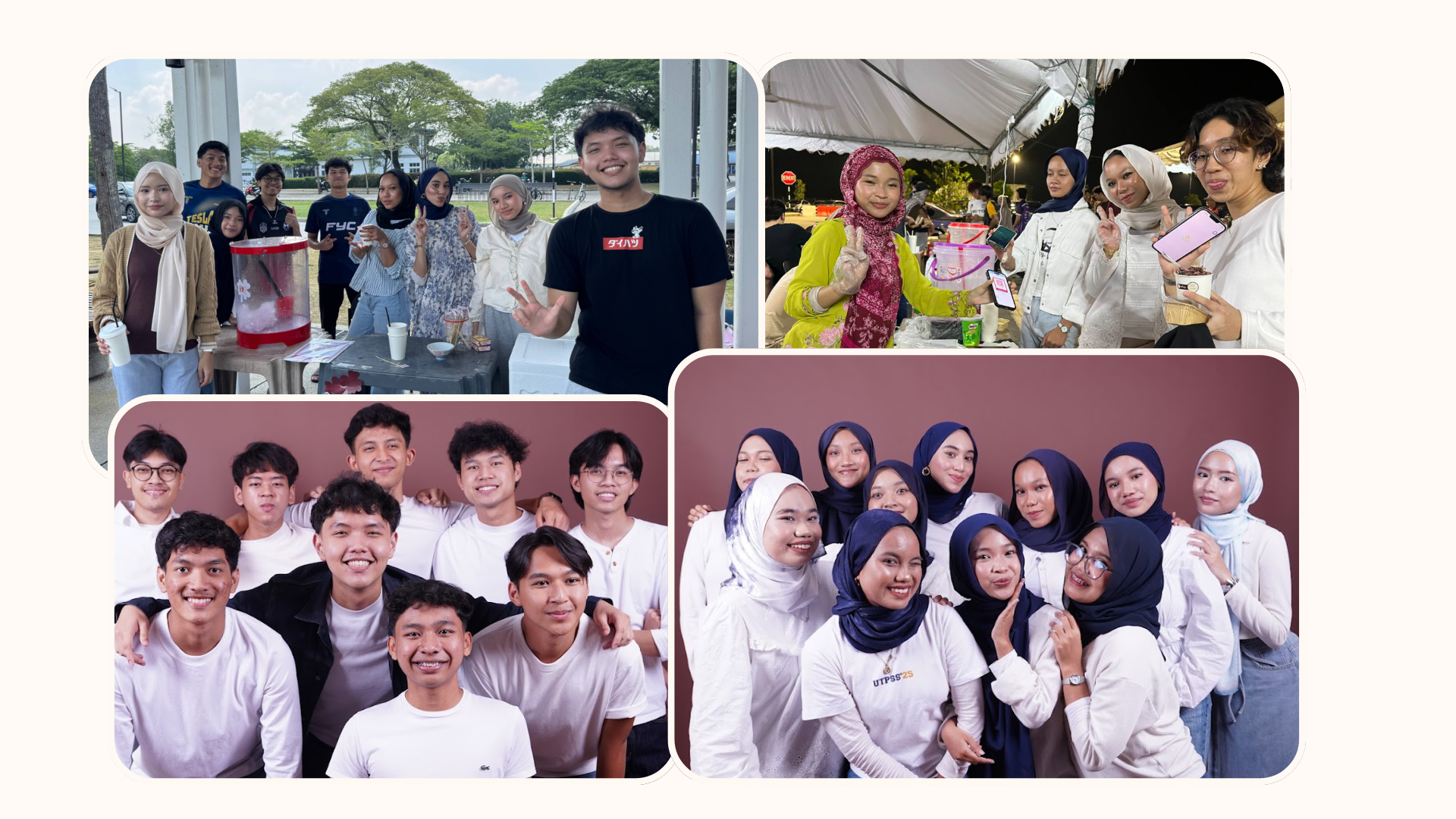
We want to cultivate a future-ready youth with practical skills, international perspectives and a deep connection to both the Humanities and Sciences.
Pillars
What Gather is built around
Pillar I
Learning what works
Research what works for countries with similar socioeconomic backgrounds and develop transferable models designed for a Malaysian context.
More from us,
A clearer picture of what we are trying to build.
Gather for Good is a non-partisan student organisation focused on developing and researching optimal ways to provide an education to the next generation of Malaysians. Our pillars are learning what works, community work, and proving what works.
Learning what works means researching what works for other countries with similar socioeconomic backgrounds and developing transferable models designed for a Malaysian context. Our partners are not merely subjects of study: the projects we conduct must provide reciprocal value to the communities we work with. Our programmes are backed by scientific evidence and adherence to standard, meticulous procedure.
In nation-building, we argue that education is the single most important aspect of self-determination and independence. Malaysia's standard of education needs attention. Following a sharp decline between PISA 2018 and 2022, PISA 2025 shows little meaningful recovery: reading and science performance remain statistically unchanged, while mathematics has fallen further, from 440 points in 2018 to 397 in 2025. Today, only 35% of Malaysian 15-year-olds demonstrate baseline proficiency in mathematics, 44% in reading, and 54% in science.
Our neighbours in Vietnam are telling a different story. Despite having a GDP per capita of only around 40% of Malaysia's, Vietnamese students substantially outperform Malaysians in PISA 2025, scoring 457 to Malaysia's 419 in science and 443 to 397 in mathematics. PISA roughly counts 20 points in any given measure as one year of education. Looking at Malaysia's data, wealthy students outperform lower-income students by 82 points—a 4.1-year difference in education. Vietnam's story shows that socioeconomic conditions will always exist to tip the scales, but a stronger education system can uplift every student regardless of their background.
Academically, there is no conclusive evidence detailing why Vietnam scores so highly in PISA. Arguments can be made about early preparation or an unrepresentative pool of participants, but the point still stands: Vietnamese students in the education system consistently outperform ours. Our proposed programme aims to deliver an effective English communication programme in partnership with a high school in Vietnam, while conducting a thorough case study on the pedagogical differences between the Vietnamese and Malaysian education systems. We hope to publish our findings over a two-week campaign and raise awareness of our recommendations.
Contact
Start a conversation with Gather
Connect with Gather on practical learning, sponsorship, community programmes, technology exposure, or international collaboration.